
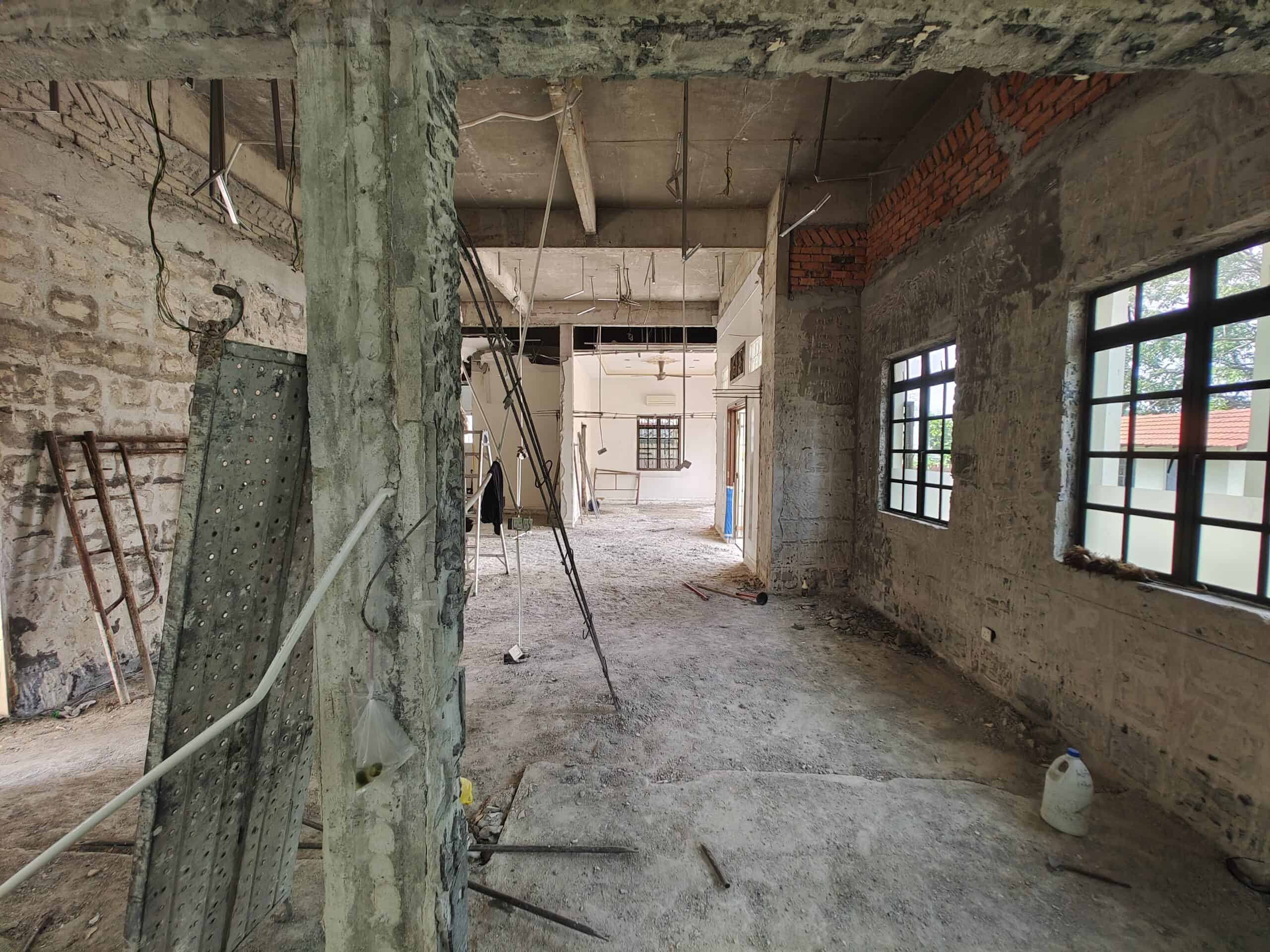
Why Wet Works Are the Backbone of Renovation in Malaysia
When homeowners plan an interior renovation, attention often goes straight to finishes — cabinetry, colours, lighting, and furniture. However, the true success of any renovation lies beneath the surface, in a critical phase known as wet works.
Wet works form the structural and functional foundation of your renovation. Mistakes made during this stage can result in water leakage, tile failure, uneven floors, mould growth, and long-term structural issues — problems that are costly and disruptive to rectify later.
This is especially important for homes in Kuala Lumpur, Petaling Jaya, and Selangor, where Malaysia’s humid climate, frequent rainfall, and high water usage place additional stress on construction works.
At Design Bliss Malaysia, our team of interior designers and site supervisors treats wet works as a core design & build responsibility, ensuring every renovation is not only beautiful but built to last.
👉 Learn more about our integrated renovation services: https://designbliss.com.my/services/
1. What Are Wet Works in Interior Renovation?
Wet works refer to renovation works that involve cement, water, hacking, and permanent structural modification. These works are typically carried out in the early stages of renovation, before carpentry and finishing works begin.
Common Wet Works in Malaysian Homes Include:
- Wall and floor hacking
- Cement screeding and floor levelling
- Waterproofing application
- Brickwork and partition wall construction
- Bathroom and kitchen base works
- Floor and wall tiling
Once wet works are completed, they are difficult, costly, and disruptive to reverse, which is why early planning and proper execution are essential.
2. Why Wet Works Are Especially Important for KL, PJ & Selangor Homes
Homes in KL, Petaling Jaya, and Selangor face unique renovation challenges due to:
- High humidity levels
- Heavy daily water usage
- Frequent rainfall
- High-rise living environments
Poor wet works execution often leads to:
- Bathroom and balcony leaks
- Tile popping or hollow tiles
- Water seepage to lower floors
- Mould and mildew growth
- Repeated repair and maintenance costs
These issues typically do not appear immediately, but surface months after renovation handover — when rectification becomes far more expensive and inconvenient.
3. Key Types of Wet Works Explained
A. Hacking & Demolition Works
Hacking involves removing:
- Existing tiles
- Internal walls or partitions
- Built-in concrete structures
Key risk:
Uncontrolled hacking can damage concealed plumbing, existing waterproofing layers, or structural elements.
At Design Bliss Malaysia, hacking works are assessed during the design and space planning stage, not decided impulsively on site — helping homeowners avoid unnecessary damage and hidden costs.
B. Waterproofing Works
Waterproofing is one of the most critical wet works in any Malaysian renovation.
Areas that require professional waterproofing include:
- Bathrooms
- Kitchens
- Balconies
- Yards and utility areas
Common Waterproofing Mistakes in Malaysia:
- Insufficient coating thickness
- Poor joint and corner detailing
- No flood testing before tiling
For condominiums in KL and PJ, waterproofing failure can affect neighbouring units, leading to disputes and costly rectification works.
C. Screeding & Floor Levelling
Screeding ensures:
- Even and stable flooring
- Correct floor gradients
- Proper water drainage flow
Improper screeding often causes:
- Water ponding in bathrooms
- Uneven tile finishes
- Ineffective drainage systems
At Design Bliss Malaysia, floor gradients are planned based on actual usage behaviour, not just drawings — ensuring both comfort and functionality.
D. Tiling Works
Tiling is both a technical and aesthetic wet work.
Key considerations include:
- Tile size and material
- Adhesive selection
- Expansion joints
- Alignment and finishing quality
Large-format tiles are popular in modern KL and Selangor homes, but they require experienced workmanship to prevent hollow spots, cracking, and uneven surfaces.
4. Common Wet Works Mistakes Homeowners in Malaysia Should Avoid
Many renovation issues arise from mistakes during the wet works phase, including:
- Rushing the wet works process before proper preparation
- Skipping adequate curing time for cement, screeds, and waterproofing layers
- Inadequate site supervision, leading to overlooked defects or poor workmanship
- Poor coordination between trades, resulting in misaligned tiles, uneven floors, or water leakage
These shortcuts are often seen in price-driven renovations, where homeowners try to save costs in the short term but end up compromising the long-term quality and durability of their home.
How to Avoid These Mistakes
To ensure your wet works are executed flawlessly:
- Plan and schedule properly — allow sufficient time for curing and inspection.
- Hire experienced interior designers and contractors who supervise every stage of wet works.
- Ensure clear coordination between trades — from plumbers to tilers, everyone should follow the same plan.
- Invest in quality materials and waterproofing — cutting corners here can lead to costly repairs later.
For professional guidance and a hassle-free renovation, speak to Design Bliss Malaysia and explore our completed projects for inspiration.
5. How Design Bliss Malaysia Manages Wet Works Differently
At Design Bliss Malaysia, wet works are treated as a design-led construction process, not merely contractor execution.
Our Wet Works Management Approach:
✔ Wet works planning during space planning stage
✔ Detailed construction drawings
✔ Material and method specification control
✔ Site inspections during critical stages
✔ Proper curing, testing, and quality checks
This ensures all finishing works are built on a solid, durable, and technically sound foundation.
👉 Explore our renovation services in Malaysia:
https://designbliss.com.my/renovation/
6. Design Bliss Case Study: Serenity in Simplicity — Bungalow Renovation in Petaling Jaya
In this bungalow renovation in Petaling Jaya, early coordination of wet works allowed our team of interior designers to address critical technical challenges before finishing works commenced. This proactive approach enabled us to:
- Resolve floor level differences between various functional zones
- Improve bathroom drainage efficiency for long-term performance
- Prevent water seepage from spreading into adjacent living areas

By identifying and resolving these wet works issues at an early stage, the project successfully avoided costly rectification works while preserving the home’s intended minimalist design language and clean architectural lines.
👉 View our completed renovation projects:
https://designbliss.com.my/projects/
7. How Wet Works Affect Renovation Cost & Timeline in Malaysia
Wet works typically account for 15–25% of total renovation cost, depending on:
- Property age
- Extent of hacking required
- Waterproofing scope
- Existing structural condition
While homeowners may be tempted to reduce costs at this stage, cutting corners in wet works almost always leads to higher long-term expenses, including water leakage, tile failures, and costly rectification works after renovation completion.
People Also Ask : Wet Works in Malaysia
What are wet works in interior renovation?
Wet works refer to construction works that involve cement, water, and structural preparation. These typically include hacking, waterproofing, screeding, tiling, and related cement-based works that form the foundation of an interior renovation.
How long do wet works take in Malaysia?
Wet works usually take 2 to 6 weeks, depending on the property size, scope of works, curing time, and waterproofing requirements. Larger homes and extensive bathroom or kitchen renovations may require longer durations.
Is waterproofing necessary for renovation?
Yes. Waterproofing is essential, especially in bathrooms, kitchens, balconies, and yard areas, to prevent water leakage, seepage, and long-term structural damage.
How much do wet works cost in Malaysia?
Wet works typically account for 15% to 25% of the total renovation cost, depending on the property’s existing condition, number of wet areas, and overall renovation scope.
Can poor wet works cause future problems?
Yes. Poorly executed wet works can result in water leaks, mould growth, tile failure, hollow screeds, and costly rectification works months or even years after renovation completion.
Frequently Asked Questions
Q: What are wet works in interior renovation?
A: Wet works include hacking, screeding, waterproofing, tiling, and base construction works that form the foundation of a renovation.
Q: Why are wet works important in Malaysia?
A: Malaysia’s humid climate and frequent water usage make proper wet works essential to prevent leaks, mould, and structural damage.
Q: How long should wet works curing take?
A: Proper curing usually takes 7–14 days, depending on materials and site conditions.
Q: Should homeowners cut costs on wet works?
A: No. Cutting costs on wet works often leads to higher long-term repair and maintenance expenses.
Q: Who should manage wet works in a renovation project?
A: An experienced design & build interior firm with proper planning, documentation, and site supervision.
Why Choosing the Right Design & Build Firm Matters for Wet Works
Wet works should never be handled in isolation. They require design foresight, construction expertise, and disciplined site management — especially in Malaysia’s climate and high-density living environments.
Many renovation failures occur not because of poor design, but because wet works were:
- Planned too late
- Poorly documented
- Rushed on site
- Left unsupervised
At Design Bliss Malaysia, wet works are fully integrated into our design & build renovation process, ensuring every technical decision supports both design intent and long-term performance.
👉 Learn more about our Interior Design & Build Services:
https://designbliss.com.my/interior-design-build/
Our Renovation Process: How Wet Works Are Properly Planned
Successful renovation begins long before hacking starts. At Design Bliss Malaysia, wet works are carefully coordinated through our structured renovation process, ensuring clarity and accountability at every stage.
Our design and build process includes:
- Early technical assessment
- Detailed wet works drawings
- Clear material specifications
- On-site supervision during critical stages
- Proper testing before finishing works
👉 View our full Renovation Process in Malaysia: https://designbliss.com.my/process/
Plan Your Renovation the Right Way
📞 Planning an Interior Renovation in Malaysia?
If you want to:
- Avoid hidden wet works issues
- Prevent future leakage and repair costs
- Ensure your renovation is structurally sound from the start
- Work with a team that manages design, wet works, and construction holistically
Speak to Design Bliss Malaysia and our team of interior designers for a professional renovation consultation tailored to your property type, lifestyle needs, and long-term goals.
👉 Contact Design Bliss Malaysia today to begin your renovation journey with confidence:
https://designbliss.com.my/contact/


